
The Evolution of Spark Plugs
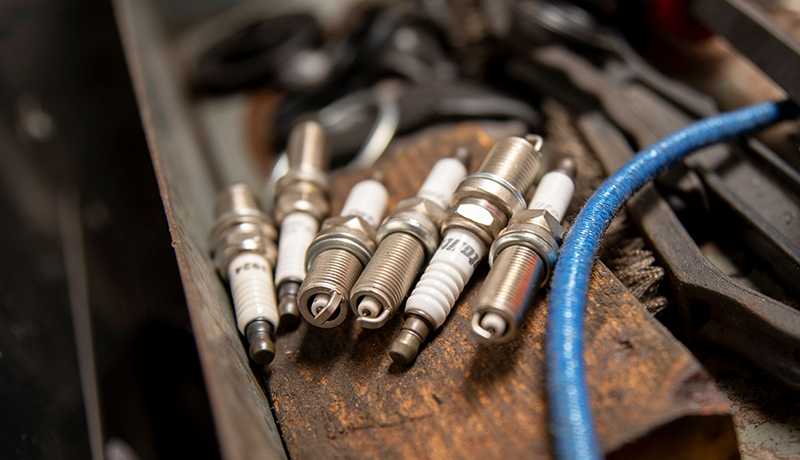
From a fundamental and humble beginning, spark plugs have certainly changed. A tiny component with a giant responsibility that creates the combustion that powers our vehicles. While all spark plugs share this essential mission, over the years as engines increased & decreased in size, grown in power, and advanced in technology more has been asked from the spark plug to perform. In this article, we'll look at how and why these changes happened so you can be informed and understand why, now more than ever, understanding your engine is the first step in finding the spark plugs you need.
The earliest changes brought about the variation of metal type that most everyone is familiar with–copper, platinum, and iridium–each offering distinct advantages and trade-offs. Moving from copper to platinum and platinum to iridium you gain performance in a variety of ways such as conductivity, thermal performance, durability, and others.
As technologies continued to advance, we started to notice the expanse of double precious metal plugs. This is when manufacturers use precious metals like platinum and iridium and not only on the center electrode but also the ground electrode. This again provides performance enhancements usually required by the engine design. A good example could be DIS (Distributorless Ignition System) or some GDI (Gasoline Direct Injection) designs.
The most recent adaptations from the OE’s have been the rapid implementation of the GDI design to run on leaner fuel mixtures in order to meet regulatory requirements, and also the greater integration of forced aspiration (turbochargers and superchargers) to increase airflow into the cylinders and create more power. As regulations have intensified, we have seen the combinations of these two technologies while downsizing engine size all in an effort to meet these increasing demands for fuel efficiency, emissions and others while not losing the performance customers have come to expect from their vehicles.
It is here with these latest enhancements that we see the more recent changes in spark plugs —new metals like Ruthenium and Rhodium. We see new configurations and designs such as DFE (Dual Fine Electrode) and the discussion around high alumina die electric strength insulators. I am sure everyone has felt the evolution and advancement of vehicles over the years and naturally like other parts spark plugs have advanced as well.
The good news is this is still one maintenance repair that is very much still in reach without having to have others do this for you. The challenge is identifying which plug you need and will deliver the performance you expect, but that is why we are here to help. Autolite has products that are designed to meet your expectations and needs, regardless of the application or vehicle. Our plugs are designed to meet or exceed the performance of the OE plugs.
Let's take a closer look at the differences between Autolite’s offering of spark plugs and see which one might be the best choice for you.
Autolite Solutions
Whether you're maintaining a classic car or optimizing a modern engine, Autolite offers a spark plug that's perfect for your ride. See our spark plugs range:
- AUTOLITE® COPPER SPARK PLUGS: OE-replacement for older vehicles with copper plugs
- AUTOLITE® PLATINUM SPARK PLUGS: Ideal upgrade for vehicles originally equipped with copper plugs
- AUTOLITE® DOUBLE PLATINUM SPARK PLUGS: Upgrade from single platinum or OE-replacement for vehicles with DIS
- AUTOLITE® IRIDIUM XP SPARK PLUGS: OE replacement for modern vehicles, ideal upgrade to enhance performances in older vehicles
- AUTOLITE IRIDIUM ULTRA® SPARK PLUGS: OE replacement for GDI & forced aspiration applications, ideal upgrade for all vehicles