


Understanding Multi Ground Electrode Spark Plugs
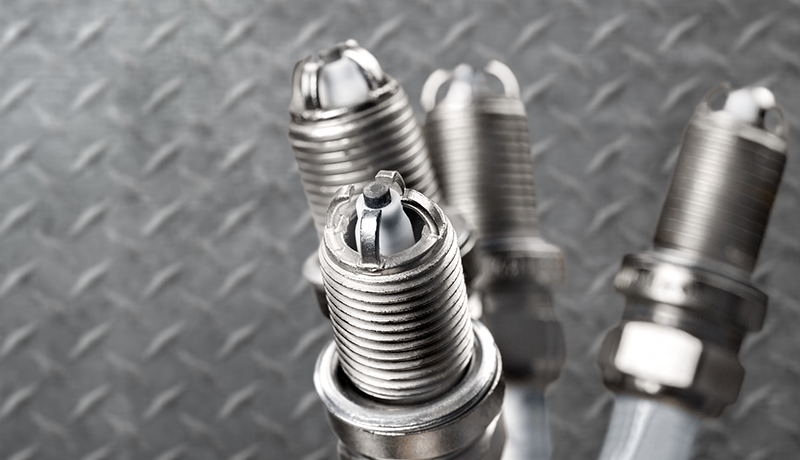
One of the most misunderstood spark plugs in the industry is the multiple ground electrode spark plug. Initially introduced in Mazda's rotary engines in 1971, these plugs feature not just one, but multiple ground electrodes surrounding the central electrode. The core idea here is simple: by providing several pathways for the electrical spark, these plugs aimed to reduce the likelihood of fouling—a condition where the plug's surface gets coated with unburned fuel or oil.
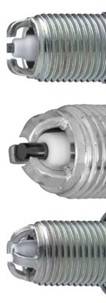 But what exactly are these ground electrodes? Think of them as the endpoints for the spark that ignites the fuel-air mixture in your engine. In a standard spark plug, you have one ground electrode. With multiple ground electrodes, there are additional endpoints, offering alternative routes for the spark. This design was thought to help the spark plug maintain efficiency over time, as even if one electrode began to wear down or foul, the others could take over the task of sparking.
This design wasn't just about avoiding fouling, though. Manufacturers believed that by spreading the wear across multiple electrodes, the spark plug's lifespan could be significantly extended. After all, if one electrode wears out, you have others ready to step in, theoretically allowing the plug to last 2 to 3 times longer than a traditional single-electrode plug made from the same material.
However, one of the myths about multiple ground electrode spark plugs is that they fire more than one spark at a time, but this does not happen. Instead, the spark will jump via the path of least resistance—be it due to heat, proximity to the center, or the condition of the electrode itself.
Despite these advantages, multiple ground electrode spark plugs have their drawbacks. The extra electrodes can actually interfere with the ignition process. They can absorb some of the heat energy that should be igniting the fuel, essentially quenching the initial flame kernel. This issue becomes particularly noticeable in scenarios demanding high ignitability, such as cold starts in rotary engines, older engines with lower compression and newer engines using lean fuel mixtures. This also happens in other more recent spark plug designs that have a massive ground electrode design that absorbs the kernel energy.
As automotive technology has advanced, especially with the advent of more stringent regulatory standards for improved fuel efficiency and lower emissions have led many to favor newer technologies like Iridium spark plugs and high ignitability designs. These plugs use rare metal alloys for enhanced durability and feature fine wire center electrodes with single ground electrodes that offer superior ignitability without the downsides of their multiple-ground counterparts.

Choose Autolite® Spark Plugs
Autolite® Iridium XP Spark Plugs are designed for long-lasting performance and reliability. They use a fine wire Iridium center electrode, which is extremely durable and maintains a precise gap for consistent sparking. This is paired with a tapered ground wire with a proprietary platinum-tipped ground electrode that enhances the plug's lifespan and ensures a strong spark and greater ignitability.
The construction of these plugs also includes anti-fouling ceramic insulation, which prevents deposit buildup and ensures the plug continues to perform optimally over time. This means less maintenance and fewer replacements for you.
Choosing Autolite® Iridium XP means investing in spark plugs that are built to last, providing both improved performance and value, working in any ignition system. Enter the make, model, and year of your vehicle and find the best spark plugs for you.